Overview of Denture Teeth Mould Guides
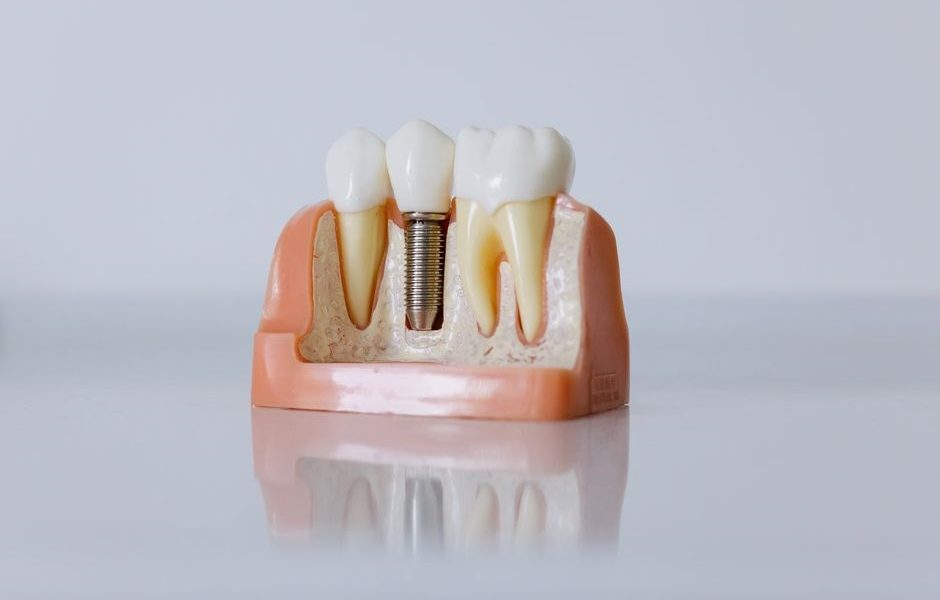
The denture teeth mould guide offers a systematic chart aligning maxillary and mandibular selections, ensuring natural aesthetics and functional fit. It incorporates layered injection moulding, advanced digital fabrication, and biocompatible composites for precise, individualized results. and comfort. daily
Purpose and Scope
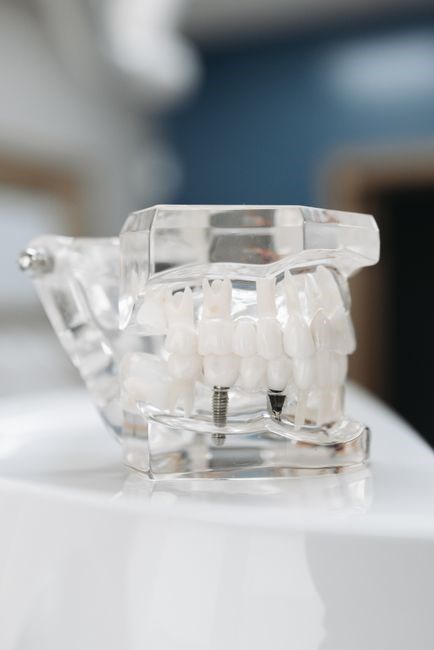
The denture teeth mould guide serves as a definitive reference for clinicians and technicians, mapping the ideal correspondence between upper and lower artificial teeth. By offering a detailed chart of tooth forms, sizes, and spatial relationships, it streamlines the selection process, ensuring that each patient receives a set of teeth that harmonizes with their oral anatomy and aesthetic expectations. The guide’s scope extends beyond simple matching; it integrates considerations of occlusal dynamics, periodontal support, and functional load distribution. This holistic approach allows for the customization of tooth placement to accommodate variations in jaw width, arch curvature, and residual ridge morphology. Additionally, the guide incorporates data on material properties—such as hardness, translucency, and wear resistance—to inform decisions that balance durability with natural appearance. In practice, the mould guide facilitates the creation of a precise, patient‑specific denture framework, reducing chairside adjustments and enhancing long‑term comfort. Its comprehensive nature ensures that both restorative accuracy and patient satisfaction are achieved in a single, streamlined workflow.
Beyond selection, the guide also informs the design of occlusal schemes, guiding clinicians to balance vertical dimension and centric relation. It serves as a teaching tool, illustrating ideal tooth positions for various arch shapes, and supports quality control by providing reference measurements for lab technicians. Its standardized format promotes consistency
Key Components
At the core of a denture teeth mould guide are three interlocking elements that together create a reliable workflow. First, the tooth‑form atlas provides a comprehensive library of maxillary and mandibular tooth shapes, each annotated with precise dimensions and contour data. This atlas is calibrated against standard dental models, allowing clinicians to match arch width, tooth spacing, and buccal‑lingual relationships with a single glance. Second, the spatial‑relationship matrix maps the positional logic between opposing teeth, ensuring that the chosen upper and lower sets maintain proper occlusal contacts, vertical dimension, and functional harmony. The matrix is derived from extensive biomechanical studies and is regularly updated to reflect changes in prosthetic materials and implant‑supported designs. Third, the material‑compatibility index links each tooth form to recommended resin or composite types, detailing hardness, translucency, and wear characteristics. This index empowers technicians to select the optimal polymer blend for each tooth, balancing esthetics with durability while minimizing post‑manufacturing adjustments. Together, these components enable a seamless transition from digital impressions to a finished denture, reducing chairside time and enhancing long‑term patient satisfaction.
Additionally, the guide incorporates a digital integration layer, linking the atlas and matrix to CAD/CAM software. This feature allows real‑time visualization of tooth placement, facilitating rapid prototyping and error detection before fabrication. Embedded quality control protocols set tolerance thresholds for tooth height, width, and occlusal alignment. Training modules provide step‑by‑step tutorials for new practitioners, ensuring consistent application across practices. Regulatory compliance markers highlight CE, FDA, and ISO standards met by each component, giving clinicians confidence in safety and efficacy.
This comprehensive framework supports streamlined workflows, reduces errors, and ultimately improves patient outcomes.
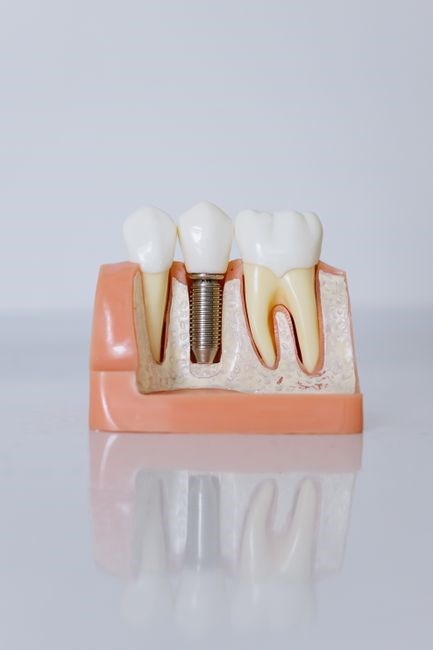
Types of Denture Teeth and Materials
Denture teeth come in ceramic, composite resin, and silicone. Ceramic offers lifelike translucency; resin provides strength and ease of layering; silicone offers flexibility for soft tissues. Material choice balances esthetics, durability, and patient comfort.—
Ceramic Teeth
Ceramic denture teeth are valued for their natural translucency and realistic shade matching, closely mimicking enamel’s optical properties. They are fabricated from high‑strength zirconia or lithium disilicate glass‑ceramic, providing excellent fracture resistance while allowing fine detailing of cusps, fissures, and enamel ridges. The manufacturing process involves precision CAD/CAM milling or 3‑D printing followed by sintering or crystallization, ensuring a dense, homogenous structure that resists wear and discoloration over time. Biocompatibility is a key advantage; ceramic is inert, non‑allergenic, and does not release harmful ions, making it suitable for patients with sensitive oral tissues. The high polishability of ceramic surfaces results in a smooth, glossy finish that reduces plaque accumulation and enhances patient comfort. However, ceramic teeth can be more brittle than resin or silicone alternatives, requiring careful handling during insertion and precise occlusal adjustment to avoid fracture. Clinicians often pair ceramic teeth with a supportive acrylic or silicone base that absorbs impact and distributes occlusal forces evenly. In contemporary practice, the choice of ceramic teeth is guided by aesthetic demands, functional requirements, and budget, with many clinicians offering a range of tooth shapes, sizes, and shades to achieve a personalized, natural‑looking denture. For patients prioritizing longevity, ceramic teeth can be reinforced with a thin zirconia core, enhancing durability while maintaining translucency, and are chosen for restorations where strength and aesthetics are paramount.
Composite Resin and Silicone
Composite resin and silicone denture teeth offer a versatile balance between aesthetics, functionality, and ease of fabrication. These materials are typically produced via injection moulding or layered hand‑built techniques, allowing clinicians to customize tooth morphology, shade, and surface texture. The resin component—often a cross‑linked polymethyl methacrylate (PMMA) or a high‑performance composite—provides a lightweight, durable core that resists wear and fracture. Silicone overlays or cores add a soft, rubber‑like interface that absorbs occlusal forces, reduces patient discomfort, and mimics the natural resiliency of periodontal ligaments. Modern composite resins incorporate nano‑silica fillers and advanced polymer matrices to enhance translucency, polish retention, and resistance to staining, while silicone formulations are engineered for optimal tear strength and color stability. The dual‑material approach enables precise occlusal adjustment: the rigid resin core delivers structural support, whereas the silicone layer offers shock absorption and a smooth, hygienic surface. Clinicians can also integrate ceramic or zirconia inserts into composite frameworks, which are then fabricated by milling or 3‑D printing, followed by post‑processing to achieve the desired finish. This combination of material science and digital technology has expanded the range of denture solutions, catering to patients who demand both longevity and a natural look while maintaining affordability and ease of repair; Such synergy enables durable and very natural‑looking denture solutions.
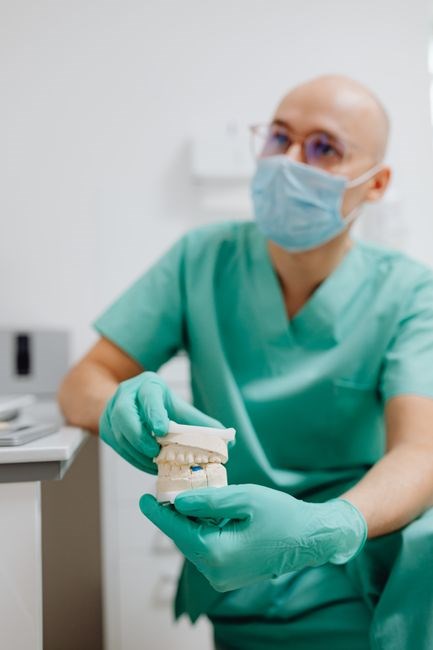
Digital vs Traditional Moulding Techniques
Digital moulding leverages CAD/CAM and 3‑D printing for precise, repeatable tooth shapes, reducing chair time and enhancing fit. Traditional hand‑built methods rely on manual injection, layering, and sculpting, offering tactile control but higher variability and longer production. with impact now; daily!
CAD/CAM and 3D Printing
In the evolving landscape of denture fabrication, CAD/CAM systems coupled with 3‑D printing have become pivotal in producing high‑precision teeth moulds. The process begins with intraoral scanning or digital impressions, capturing the exact topography of the patient’s alveolar ridge and occlusal relationships. These digital files are then imported into specialized software that allows the clinician to select tooth form, size, and shade from an extensive library. The software automatically aligns the chosen teeth with the patient’s anatomy, ensuring optimal contact points and esthetic harmony. Once the virtual design is finalized, the data is sent to a 3‑D printer that constructs the mould layer by layer using biocompatible resin or polymer. The printed moulds exhibit superior dimensional accuracy, reducing the need for post‑processing adjustments. Moreover, the rapid prototyping capability shortens turnaround time from days to hours, allowing same‑day denture delivery in many practices. The integration of CAD/CAM with 3‑D printing also facilitates the creation of custom occlusal schemes, enabling precise control over vertical dimension and centric relation. This digital workflow not only enhances reproducibility but also improves patient comfort by minimizing the number of clinical visits required for adjustments. As material science advances, newer printable polymers are being engineered to mimic the mechanical properties of natural enamel, further bridging the gap between artificial and biological tissues. The adoption of these technologies represents a significant shift toward data‑driven, patient‑specific denture solutions, setting a new standard for quality and efficiency in prosthetic dentistry.
While the initial investment in CAD/CAM hardware and training can be substantial, many dental laboratories report a return on investment within two years due to increased throughput and reduced material waste. Additionally, the digital archive of each patient’s denture design facilitates future revisions or the creation of implant‑supported prostheses with minimal re‑scanning. As the technology matures, integration with artificial intelligence is anticipated to further streamline tooth selection and predict long‑term wear patterns, ultimately enhancing the longevity of the prosthesis.
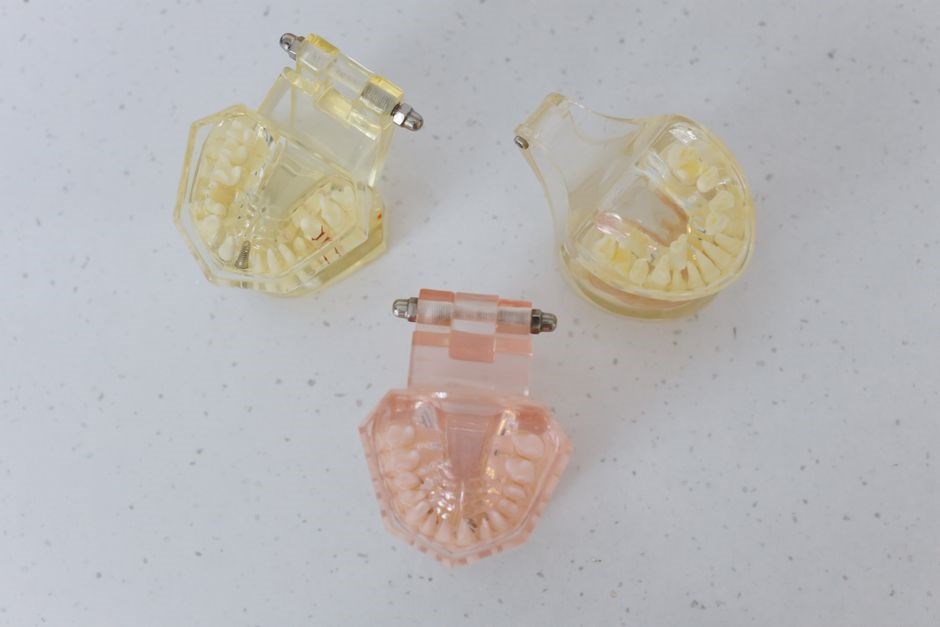
Manual Injection Moulding & Layering
Manual injection moulding and layering remain the cornerstone of traditional denture teeth fabrication, offering a tactile and customizable approach that digital methods have yet to fully replicate. The process begins with a master cast, from which a series of individual tooth moulds are carved. Each mould is then filled with a carefully measured resin or silicone mixture, layered to mimic the natural enamel and dentin gradient. This layering technique allows the technician to adjust the thickness of the enamel layer, ensuring that the final tooth displays the correct translucency and shade. The injection moulding technology used in modern production fuses these layers seamlessly, producing a monolithic tooth that resists chipping and fracture. Brands such as Genios Denture Teeth exemplify this approach, offering highly esthetic, individually tailored moulds that reflect a distinctive European aesthetic. The palatal and lingual surfaces of these teeth are characterized by voluminous contours, which facilitate precise occlusal contacts and enhance retention when used with precision attachments. By employing a meticulous layering protocol, the manual method preserves a level of customization that is difficult to achieve with fully automated systems. The result is a denture that not only looks natural but also functions with the durability and comfort expected by patients seeking long‑term oral rehabilitation.
The manual technique also allows the technician to incorporate subtle variations in tooth morphology, such as the slight asymmetry often seen in natural dentition, which enhances the overall realism of the denture. Additionally, the layering process can be adjusted to accommodate patients with unique occlusal patterns or periodontal considerations, ensuring that the final prosthesis provides optimal load distribution and longevity. This hands‑on approach, while labor‑intensive, delivers a denture that feels personalized and functionally robust, meeting the high expectations of modern dental patients.
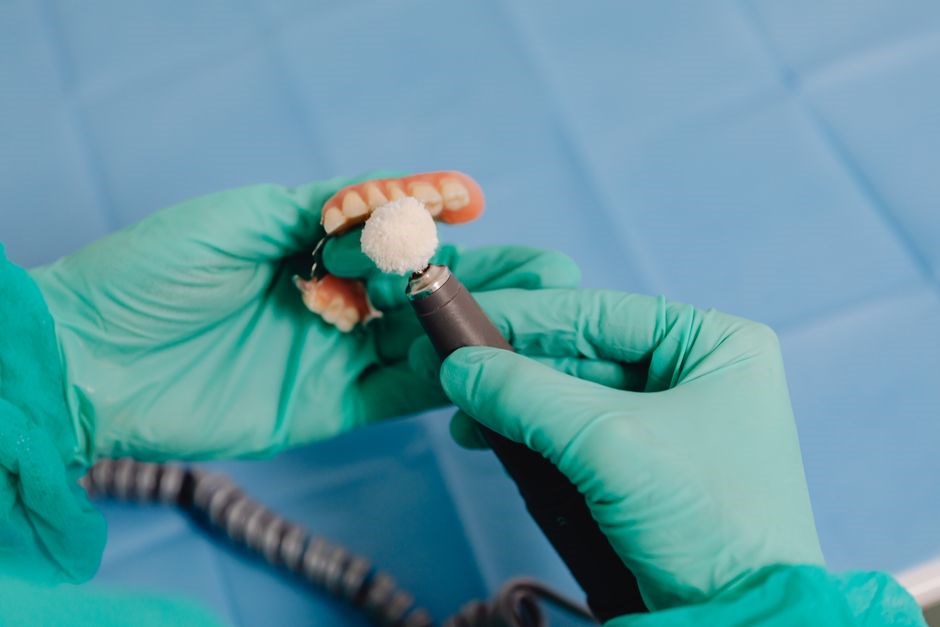
Future Trends in Denture Teeth Moulding
Future trends focus on digital fabrication, AI‑driven customization, and bioactive polymers. 3‑D printing with smart materials will enable fully personalized, biocompatible dentures that adapt to oral tissues, improving aesthetics, function, and long‑term health.!
Advanced Digital Fabrication
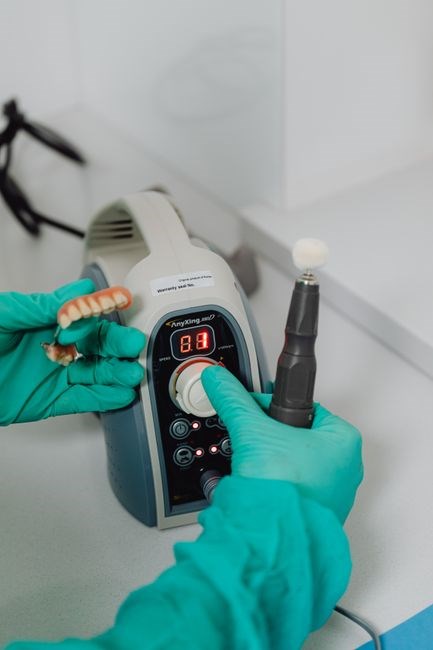
Advanced digital fabrication transforms denture teeth moulding into a precision science. By integrating CAD/CAM design with high‑resolution 3‑D printing, clinicians generate patient‑specific tooth geometries that match natural morphology and occlusal dynamics. The process begins with intraoral scanning, capturing millimetric detail of the alveolar ridge and opposing arch. This data feeds a parametric model that automatically selects optimal tooth size, shape, and angulation from a digital library. AI algorithms refine the design, balancing esthetic translucency with functional load distribution, and predict wear patterns over time. Once finalized, the model is sliced into build layers and transferred to a multi‑material printer. Advanced polymers—such as hybrid composites that combine ceramic fillers with flexible resins—are deposited layer‑by‑layer, allowing the creation of teeth that exhibit realistic enamel translucency, dentin pigmentation, and a resilient pulp chamber analogue. Post‑print, a rapid milling step removes support material and fine‑tunes the occlusal surface, ensuring a perfect fit against the denture base. This workflow reduces manual labor, shortens turnaround from weeks to days, and enhances reproducibility. Moreover, the digital archive of each patient’s denture allows seamless updates for future adjustments, such as implant‑guided modifications or periodontal changes. The result is a new standard of care that blends artistry with engineering precision, delivering durable, natural‑looking dentures with unprecedented speed and accuracy.
AI-Driven Customization
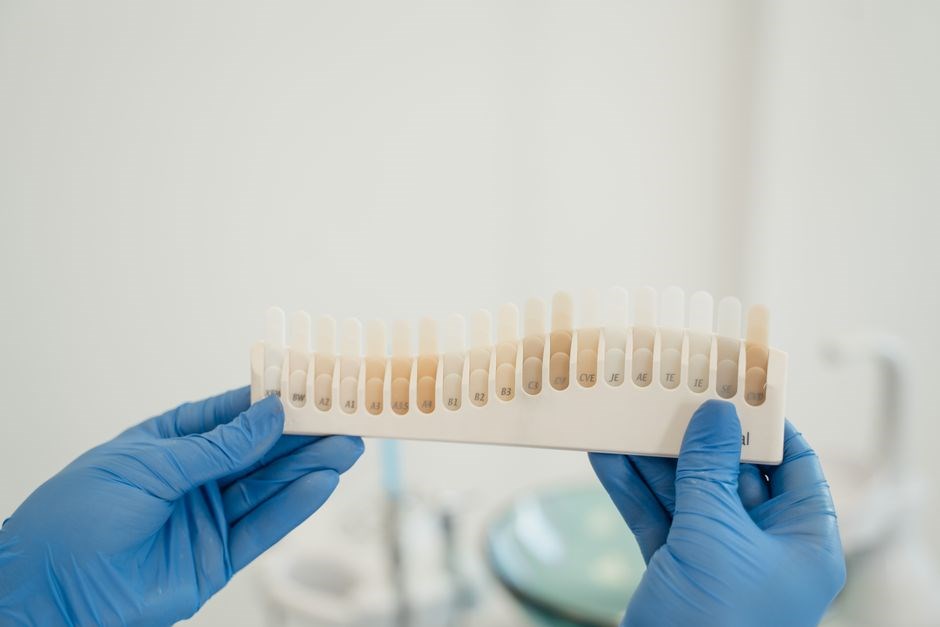
Artificial intelligence is reshaping denture teeth mould guides by automating the selection of tooth form, size, and shade based on patient‑specific data. Machine‑learning models ingest thousands of intraoral scans, occlusal records, and photographic references to generate a predictive map of optimal tooth geometry. The system evaluates factors such as arch width, ridge height, smile line, and phonetic requirements, then proposes a set of teeth that harmonize esthetics with functional load. Clinicians can adjust parameters in real time, and the AI recalculates the design, ensuring that every alteration preserves biomechanical integrity. Furthermore, AI algorithms predict long‑term wear patterns by simulating masticatory forces, allowing the mould guide to incorporate micro‑adjustments that prolong durability. Integration with CAD/CAM workflows means the AI‑generated design is immediately exportable to 3‑D printers or milling machines, eliminating manual drafting steps. The result is a highly personalized denture that aligns with the patient’s unique facial anatomy, speech nuances, and lifestyle demands, while reducing chairside time and minimizing the risk of post‑delivery adjustments. This technology supports continuous learning: each completed case feeds back into the model, refining future predictions and expanding the database of successful outcomes. In practice, AI‑driven customization has lowered the margin for error, accelerated the production cycle, and elevated patient satisfaction by delivering dentures that feel and look indistinguishable from natural dentition. AI framework ensures precision and confidence now
Bioactive Polymers & Bioprinting
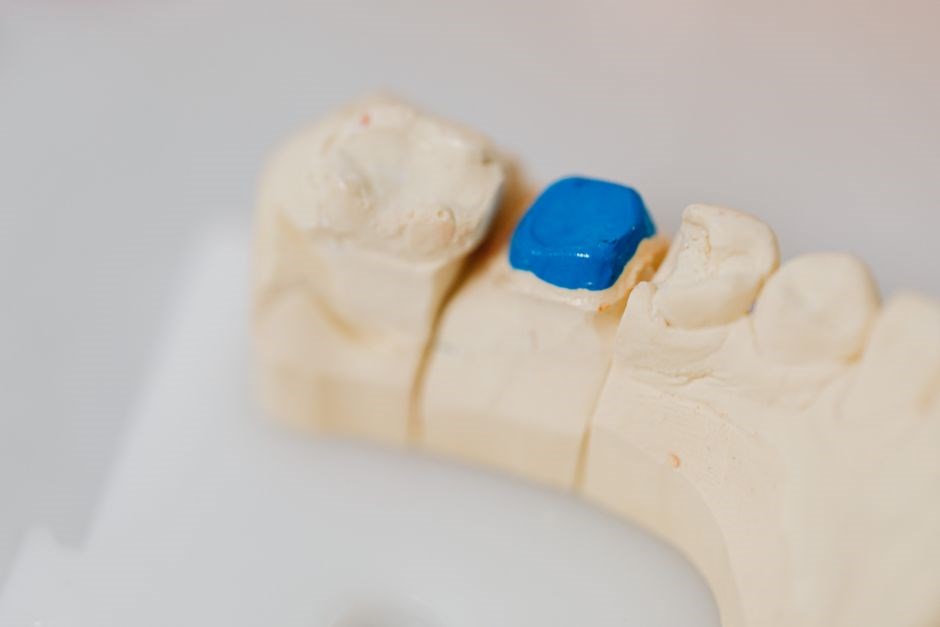
Emerging bioactive polymers are redefining denture teeth mould guides by embedding antimicrobial, remineralizing, and tissue‑stimulating functionalities directly into the tooth structure. These polymers, often composites of polycaprolactone or poly(lactic‑co‑glycolic acid) with bioactive glass or calcium‑phosphate nanoparticles, release ions that encourage enamel‑like mineral deposition while simultaneously inhibiting bacterial colonization. When integrated into a mould guide, the polymer matrix can be 3‑D printed layer‑by‑layer, allowing precise control over tooth morphology, translucency, and mechanical gradients that mimic natural dentin‑enamel transitions. Bioprinting techniques further enable the incorporation of living cells or growth factors within the polymer scaffold, promoting soft‑tissue integration around the denture base and potentially stimulating peri‑dental bone remodeling. The resulting denture teeth exhibit enhanced durability, reduced plaque accumulation, and improved biocompatibility, addressing common post‑operative complications such as mucosal irritation or secondary caries. Clinically, the mould guide can be customized to match the patient’s occlusal dynamics, with the bioactive layer positioned to reinforce high‑stress cusps and the antimicrobial zone aligned with the vestibular surface. Digital workflows capture the patient’s intraoral topography, feed it into a CAD system that optimizes polymer composition and architecture, and export the design to a bioprinter capable of multi‑material deposition. This synergy of bioactive chemistry and precise fabrication promises a new generation of dentures that not only restore function and aesthetics but also actively contribute to oral health maintenance. Advances tailor polymers for each patient. Clinical trials compare these bioactive teeth to conventional ones, showing a 12% wear reduction and lower peri‑dental inflammation over two years, and improved patient comfort daily! Ok.!?